Building Your Home Healthcare Station: A Room-by-Room Guide to Medical Supplies That Actually Matter
For decades, the image of home healthcare conjured thoughts of a single thermometer tucked in a bathroom drawer and a half-empty box of adhesive bandages. That image no longer reflects the reality facing American households today. With more than 117 million adults in the United States living with at least one chronic condition, and a rapidly growing aging population choosing to remain at home rather than transition to assisted living facilities, the demand for organized, well-equipped home medical environments has never been higher.
Building a proper home healthcare station is not about over-preparing or mimicking a clinical setting. It is about having the right tools available at the right moment — whether that moment is a sudden spike in blood pressure, a wound that needs immediate attention, or a mobility challenge that arises without warning. Below is a structured, practical guide to assembling a home medical supply setup that serves both patients and caregivers with equal reliability.
Start with the Basics: Monitoring and Diagnostics
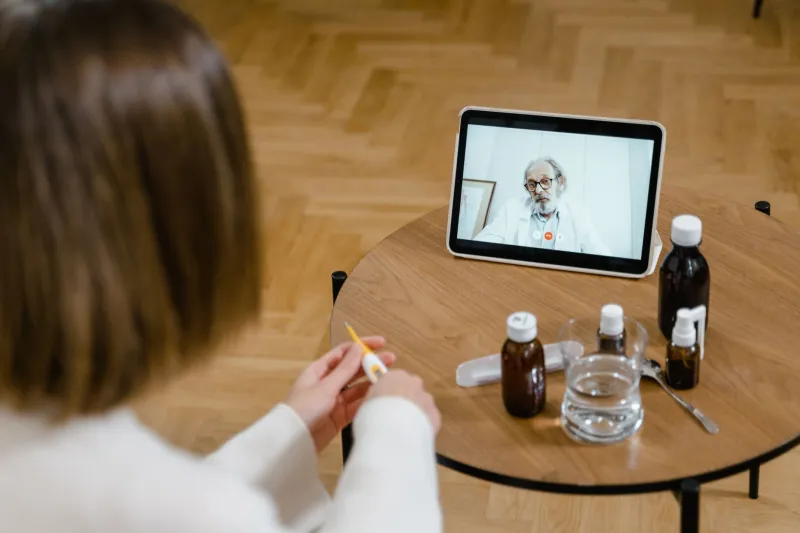
The foundation of any home healthcare station is the ability to observe and measure. Monitoring devices allow patients and caregivers to track health indicators over time, catch irregularities early, and communicate meaningful data to physicians during appointments or telehealth consultations.
Blood Pressure Monitors: For individuals managing hypertension, heart disease, or kidney conditions, a validated upper-arm blood pressure cuff is indispensable. Look for models that store multiple readings and offer irregular heartbeat detection.
Pulse Oximeters: These compact fingertip devices measure blood oxygen saturation and pulse rate in seconds. They became widely recognized during the COVID-19 pandemic but remain critically valuable for patients with asthma, COPD, or heart failure.
Digital Thermometers: A reliable thermometer — ideally a no-contact infrared model or a fast-read oral thermometer — should be accessible in every household. Fever management is one of the most common reasons patients seek urgent care, and early detection at home can prevent unnecessary emergency visits.
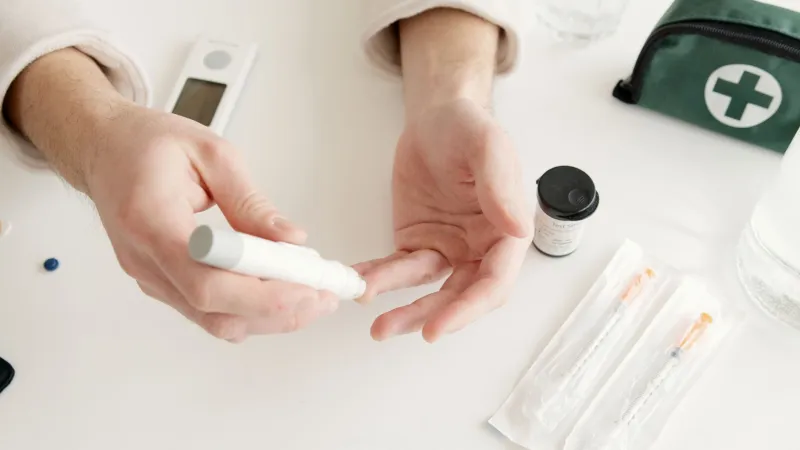
Blood Glucose Monitors: For the approximately 37 million Americans living with diabetes, a glucometer and adequate test strip supply are non-negotiable essentials. Continuous glucose monitoring systems are increasingly available for home use as well.
Wound Care: Going Beyond the Basic First Aid Kit
A standard first aid kit covers minor cuts and scrapes. A properly equipped home healthcare station goes considerably further, particularly for patients recovering from surgery, managing diabetic wounds, or dealing with pressure injuries.
Sterile Gauze Pads and Rolls: Available in multiple sizes, sterile gauze is the workhorse of wound management. Stock a variety to accommodate wounds of different dimensions.
Adhesive Dressings and Hydrocolloid Bandages: Advanced wound dressings accelerate healing by maintaining a moist wound environment. Hydrocolloid options are particularly effective for pressure ulcers and slow-healing wounds.
Antiseptic Solutions and Wound Cleansers: Saline wound wash is gentler than hydrogen peroxide and appropriate for most wound types. Antiseptic wipes and povidone-iodine solution should also be on hand for more contaminated wounds.
Medical Tape and Cohesive Bandages: Paper tape, foam tape, and self-adherent wraps serve different purposes — from securing dressings on fragile skin to providing compression support for sprains.
Disposable Gloves: Nitrile gloves are essential for maintaining hygiene during any wound care procedure. They protect both the caregiver and the patient from cross-contamination.
Mobility and Physical Support Supplies
For patients recovering from orthopedic procedures, managing arthritis, or navigating age-related mobility limitations, having the right assistive equipment at home dramatically reduces fall risk and supports independence.
Grab Bars and Toilet Safety Rails: Bathroom falls are among the leading causes of injury in older adults. Grab bars near the toilet and inside the shower are among the highest-impact safety investments a household can make.
Shower Chairs and Transfer Benches: These allow individuals with limited strength or balance to bathe safely without standing for extended periods.
Canes, Walkers, and Rollators: The appropriate mobility aid depends on the patient's specific condition and level of support needed. A four-wheeled rollator with a seat offers more versatility than a standard walker for patients who fatigue easily.
Bed Rails and Positioning Wedges: For patients who spend significant time in bed, foam positioning wedges prevent pressure injuries and improve comfort. Bed rails provide a stable surface for repositioning.
Respiratory and Medication Management
Patients managing respiratory conditions or complex medication regimens require additional supplies to remain compliant and comfortable at home.
Nebulizers: For individuals with asthma or COPD who require inhaled medications beyond what a standard inhaler delivers, a home nebulizer machine provides reliable treatment delivery.
Pill Organizers and Medication Dispensers: Medication non-adherence is a significant contributor to preventable hospitalizations. Weekly pill organizers with compartmentalized daily sections, or automatic dispensers with audible reminders, support consistent medication routines.
Spacers for Inhalers: A spacer improves medication delivery from a metered-dose inhaler, ensuring more medication reaches the lungs rather than depositing in the throat.
Emergency Preparedness Essentials
No home healthcare station is complete without provisions for medical emergencies. These items may be used infrequently, but their presence can be lifesaving.
Personal Emergency Response Systems (PERS): Wearable alert devices allow patients who live alone or are at high fall risk to call for help immediately.
Emergency Contact Cards: Laminated cards displaying the patient's medications, allergies, primary care provider contact, and emergency contacts should be stored in an accessible location.
Ice Packs and Heat Therapy Wraps: Gel ice packs and reusable heat wraps address acute pain, muscle stiffness, and minor injuries without requiring a clinic visit.
Building Your Supply Inventory Strategically
The most effective home healthcare stations are not built in a single shopping trip. Begin by consulting with your physician or care team about your specific medical needs, then identify the supplies that address your highest-priority concerns. Prioritize quality over quantity — premium medical supplies sourced from reputable suppliers perform more consistently and carry fewer risks of failure at critical moments.
At AristoMedCart, our catalog is curated specifically to meet the standards that healthcare providers and informed patients demand. From hospital-grade monitoring devices to advanced wound care dressings and mobility support equipment, every product we offer is selected with clinical utility and patient safety in mind. Whether you are setting up a home station for yourself or equipping a care environment for a family member, our team is available to help you identify the right products for your situation.
A well-prepared home healthcare environment does not eliminate the need for professional medical care — it complements it. When patients have the tools to monitor their condition, manage minor complications, and communicate effectively with their providers, outcomes improve. That is the standard every American household deserves to reach.