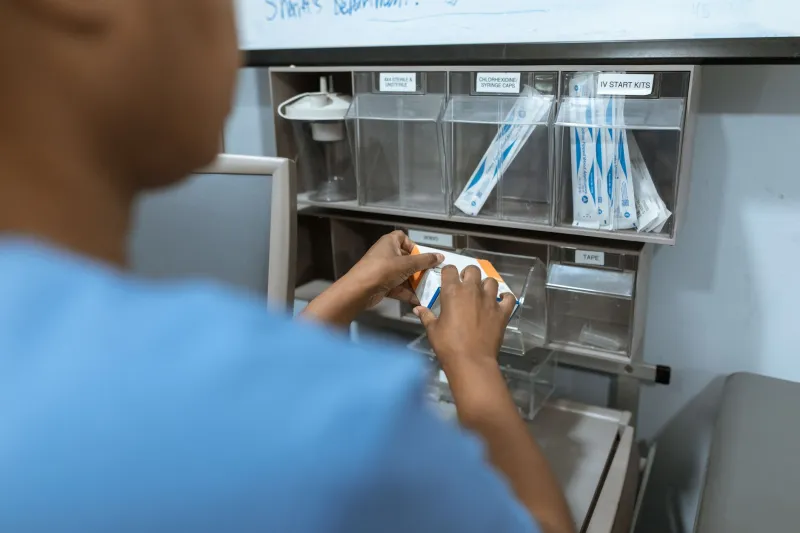
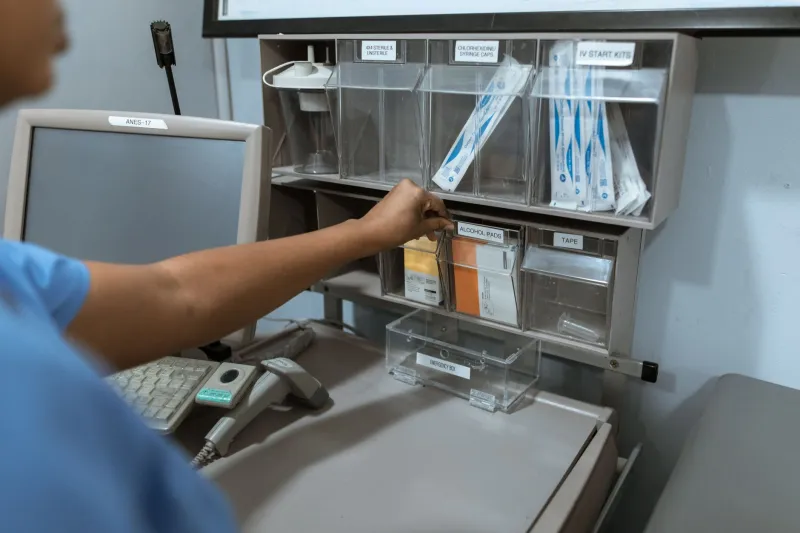
The 72-Hour Gap: Why the Days After Hospital Discharge Are America's Most Dangerous Window in Home Care
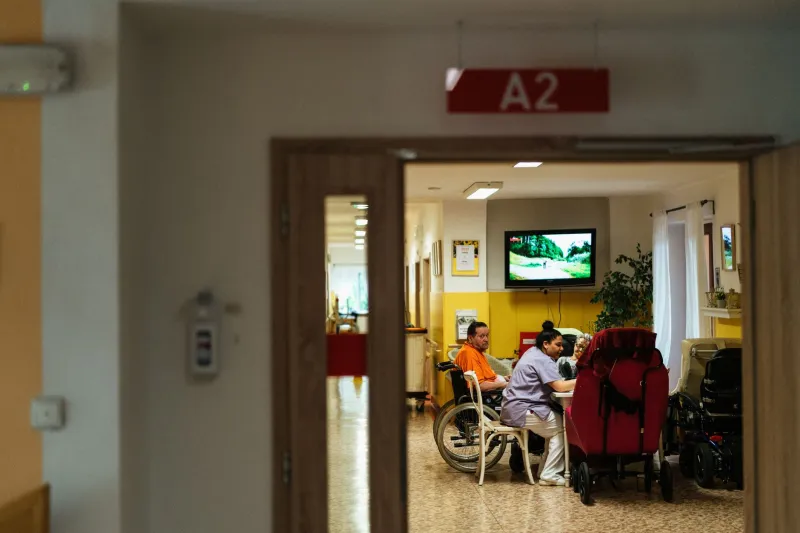
The discharge process is supposed to be a transition. In practice, for a significant share of the roughly 36 million Americans hospitalized each year, it functions more like a cliff edge—a moment when the structure and support of inpatient care evaporates, and patients are left to navigate a complex set of home care needs with incomplete information, inadequate supplies, and little meaningful follow-up.
The 72 hours following hospital discharge represent what patient safety researchers have come to regard as one of the most vulnerable periods in a patient's care trajectory. During this window, wound infections can take hold, medication errors occur, and chronic condition management falters—often because the patient simply did not know which supplies they needed, or could not access them quickly enough.
This is not a story about individual failure. It is a story about systemic design.
How the Discharge Process Breaks Down
In theory, hospital discharge planning is a coordinated, multidisciplinary process. Physicians, nurses, case managers, and social workers are supposed to collaborate to ensure that patients leave with everything they need: prescriptions filled, follow-up appointments scheduled, home health services arranged, and durable medical equipment ordered.
In practice, the process is frequently compressed, fragmented, and poorly communicated.
A landmark study published in the Journal of General Internal Medicine found that more than half of patients discharged from major U.S. hospitals reported receiving instructions they did not fully understand. A separate analysis by the Agency for Healthcare Research and Quality identified inadequate discharge planning as a primary driver of preventable hospital readmissions—a problem that costs Medicare alone an estimated $26 billion annually.
The supply dimension of this failure is particularly acute and particularly underexamined. Patients may receive a prescription for wound care supplies, for example, but leave the hospital without any practical understanding of which specific products to purchase, where to obtain them, or how to use them correctly. They may be told to monitor their blood pressure at home without being informed that the cuff they already own is not calibrated for their arm size or condition. They may require specialized compression therapy but have no idea that standard drugstore options are clinically insufficient for their needs.
By the time complications emerge—often 48 to 72 hours after discharge—the damage is already underway.
The Patients Most at Risk
While the discharge supply gap affects a broad population, certain groups face disproportionate risk. Elderly patients, who account for the majority of hospital discharges, frequently encounter barriers related to both health literacy and physical access to supplies. Those discharged following cardiac events, joint replacement surgeries, or complex wound care procedures face particularly high stakes if the right equipment is not in place from the moment they arrive home.
Patients in rural communities face an additional layer of difficulty. When the nearest pharmacy or medical supply retailer is an hour's drive away, the logistical challenge of obtaining necessary supplies within that critical 72-hour window becomes a genuine clinical risk factor. The same applies to patients without reliable transportation, those managing recovery alone, and individuals whose caregivers are not adequately briefed on supply needs during the discharge conversation.
First-generation immigrants and patients with limited English proficiency face compounding challenges, as discharge instructions—already often inadequate—may be provided in a language or at a literacy level that makes meaningful comprehension impossible.
What Informed Patients Need to Ask Before Leaving the Hospital
The most effective defense against the discharge supply gap is proactive, specific questioning. Patients and their caregivers should not wait for the discharge team to volunteer complete supply information—they should request it explicitly and in writing.
Before signing any discharge paperwork, patients should ask the following:
On wound care and dressings:
- What specific type of dressing does my wound require, and what brand or specification should I look for?
- How often do dressings need to be changed, and what supplies are needed for each change?
- Are there signs of infection I should watch for, and what should I do if they appear?
On monitoring equipment:
- Do I need a blood pressure cuff, pulse oximeter, or glucose monitor at home? If so, what specifications are clinically appropriate for my condition?
- Is the equipment I currently own adequate, or do I need to upgrade?
On mobility and positioning aids:
- Will I need a walker, cane, raised toilet seat, or bed rail during recovery?
- Has a physical therapist been consulted about appropriate equipment selection?
On medication administration:
- Do I need any supplies to administer prescribed medications at home—such as syringes, sharps containers, or IV-related equipment?
- Who do I call if I cannot figure out how to use a device or administer a treatment correctly?
On supply access:
- Where can I obtain the supplies I need? Is a home delivery option available, and is there a supplier my insurance has a preferred relationship with?
A Practical Home Care Supply Checklist by Discharge Type
The specific supplies a patient needs will vary by diagnosis and procedure, but the following framework offers a starting point for the most common discharge scenarios.
Post-surgical discharge:
- Sterile gauze pads and non-adherent wound dressings
- Medical-grade adhesive tape
- Antiseptic wound wash
- Disposable gloves
- Thermometer
- Prescribed compression stockings or wraps
- Mobility aid as specified by physical therapy
Cardiac or respiratory discharge:
- Home blood pressure monitor with appropriately sized cuff
- Pulse oximeter
- Medication organizer or pill dispenser
- Portable scale for daily weight monitoring (a key indicator in heart failure management)
Diabetes-related discharge:
- Blood glucose monitor with adequate test strip supply
- Lancets and lancing device
- Sharps disposal container
- Insulin storage supplies as appropriate
General discharge (any diagnosis):
- A written list of all supplies needed, with product specifications
- Contact information for a home health nurse or care coordinator
- The phone number of a reliable medical supply service that offers home delivery
The Systemic Reform That Is—and Isn't—Happening
The Centers for Medicare and Medicaid Services (CMS) has implemented financial penalties for hospitals with excessive readmission rates under the Hospital Readmissions Reduction Program, creating a structural incentive for institutions to improve discharge planning. Some health systems have responded by deploying dedicated discharge navigators, expanding telephonic follow-up programs, and partnering with home delivery medical supply services to ensure patients receive necessary equipment before or immediately upon arriving home.
These are meaningful steps, but they remain inconsistently implemented and far from universal. Patient advocacy organizations continue to flag discharge planning as one of the most significant unresolved gaps in American healthcare continuity.
Until systemic reform catches up to the scale of the problem, the burden of protection falls substantially on patients and caregivers themselves.
Bridging the Gap Through Informed Preparation
The most actionable thing a patient or caregiver can do is to treat discharge planning as an active process, not a passive one. That means asking specific questions, requesting written documentation of supply needs, and establishing a relationship with a reliable medical supply provider before discharge occurs—not after.
Services that offer direct-to-door delivery of medical supplies, with knowledgeable customer support and insurance coordination, can play a meaningful role in closing the 72-hour gap. At AristoMedCart, we recognize that the period immediately following discharge is one of the highest-stakes moments in a patient's care journey. Our catalog and delivery infrastructure are designed specifically to support patients navigating that transition—because access to the right supplies, at the right time, is not a convenience. It is a clinical imperative.
The hospital stay is the beginning of recovery, not the entirety of it. Ensuring that recovery continues safely at home requires preparation, information, and the right equipment—and patients deserve all three.