Silent Threat at Home: How the Way You Store Medical Supplies Could Be Fueling Antibiotic-Resistant Infections
For most Americans managing a chronic condition or recovering from a procedure at home, the medicine cabinet is a point of reassurance. Bandages, catheters, glucose monitoring equipment, nebulizer components — these items represent continuity of care beyond the clinical setting. Yet that same cabinet, if poorly organized or inadequately maintained, can quietly become a breeding ground for something far more dangerous than the condition it was meant to treat.
Antibiotic-resistant bacteria — pathogens that no longer respond to the medications designed to eliminate them — are responsible for more than 2.8 million infections and approximately 35,000 deaths in the United States each year, according to the Centers for Disease Control and Prevention. While much of the public conversation around this crisis focuses on antibiotic overprescription and hospital-acquired infections, a less visible contributor is steadily gaining attention among infectious disease specialists: the mismanagement of reusable medical supplies in home care settings.
Why the Home Environment Presents Unique Risks
Hospitals operate under rigorous sterilization protocols, controlled humidity levels, and strict disposal schedules. The home environment offers none of these structural safeguards by default. Bathroom countertops harbor moisture. Kitchen drawers expose supplies to food particulates. Reusable equipment left in contact with surfaces that are never properly disinfected can accumulate microbial biofilms — thin, adherent layers of bacteria that are notoriously difficult to eliminate and increasingly likely to include resistant strains.
The problem is compounded by a reasonable but ultimately flawed assumption: that because a supply item looks clean, it is clean. Visible contamination is rarely the issue. The organisms most associated with antibiotic resistance — methicillin-resistant Staphylococcus aureus (MRSA), carbapenem-resistant Enterobacteriaceae (CRE), and drug-resistant Pseudomonas aeruginosa — are invisible to the naked eye and fully capable of surviving on hard surfaces for days or even weeks under ordinary household conditions.
The Equipment Most Commonly Mismanaged at Home
Certain categories of medical supplies carry a disproportionately high risk when improperly maintained:
Wound care materials and dressings. Reusable scissors, forceps, and irrigation syringes used in wound management are among the most frequently contaminated items in home care. When these tools are rinsed with tap water rather than properly sterilized between uses, they can transfer bacteria directly into open tissue.
Respiratory equipment. Nebulizer cups, masks, and tubing used by patients with asthma, COPD, or cystic fibrosis require thorough cleaning and complete drying after every use. Residual moisture creates optimal conditions for bacterial and fungal proliferation. Patients who reuse components beyond their recommended service life face compounding risk.
Urinary catheters. Intermittent catheters are sometimes reused by patients seeking to reduce costs, despite being designated as single-use devices by manufacturers and regulatory bodies. This practice is a well-documented pathway to urinary tract infections caused by resistant organisms.
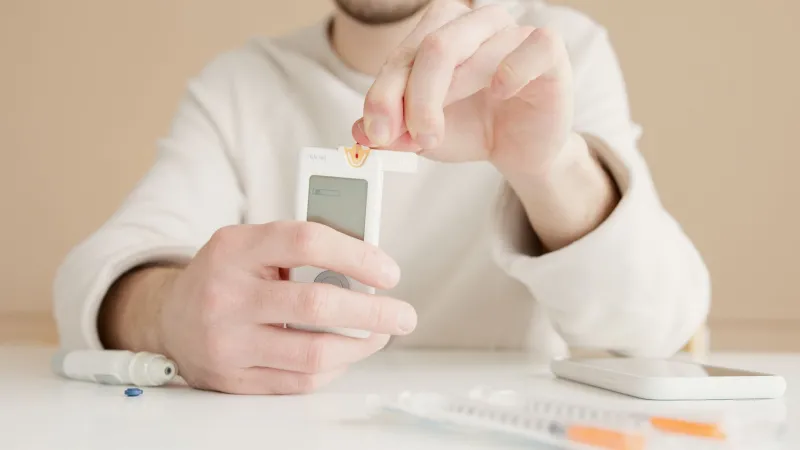
Glucose monitoring accessories. Lancet devices, if shared or reused improperly, present direct bloodborne exposure risks. Even the surfaces of glucometers, rarely wiped down between uses, can harbor pathogens transferable through skin contact.
Storage Conditions That Accelerate Microbial Growth
Beyond the equipment itself, the conditions under which supplies are stored play a critical role in microbial proliferation. Humidity above 60 percent — common in bathrooms, which remain a default storage location for many households — accelerates the degradation of sterile packaging and promotes mold and bacterial growth on exposed surfaces. Temperature fluctuations, such as those experienced in garages or near kitchen appliances, can compromise the integrity of sealed packaging without any visible sign of damage.
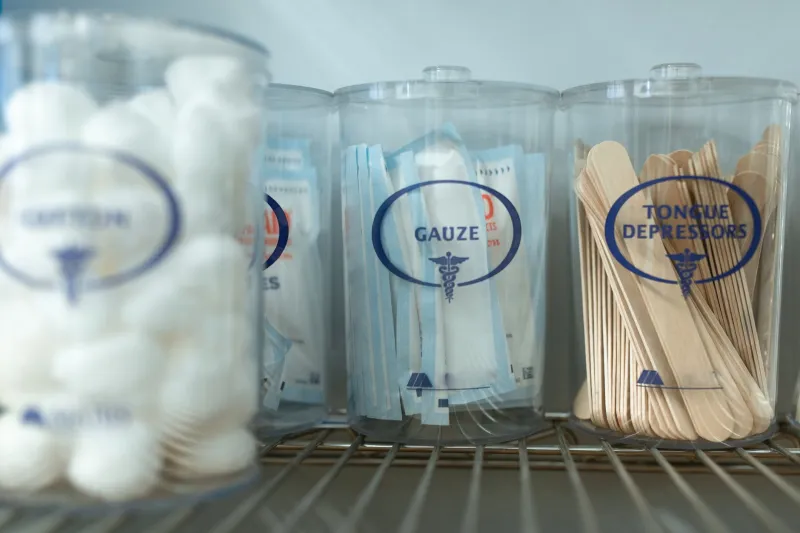
Direct sunlight exposure degrades certain materials, including latex and some plastics, creating microscopic surface irregularities where bacteria can accumulate. Supplies stored in open bins or drawers shared with non-medical household items face cross-contamination risks that are both common and largely unrecognized.
The recommendation from infection control specialists is consistent: medical supplies should be stored in a dedicated, cool, dry space with stable temperature — ideally between 59°F and 77°F — away from direct light, and in closed containers that limit surface exposure.
Sterilization vs. Disinfection: A Distinction That Matters
Many home care patients conflate disinfection with sterilization, and the difference has meaningful clinical implications. Disinfection reduces the number of viable microorganisms to a level considered safe for most purposes. Sterilization eliminates all microbial life, including spores. For items that contact intact skin or are used in low-risk contexts, appropriate disinfection is often sufficient. For items that enter the body or contact open wounds, sterilization is the appropriate standard — and one that cannot be reliably achieved through household cleaning methods alone.
Patients using reusable equipment that requires sterilization should consult with their healthcare provider about proper protocols, which may include autoclave access through a home health agency, use of single-use alternatives, or chemical sterilization with products specifically validated for medical use. Generic household disinfectants, including many popular spray cleaners, do not meet the efficacy threshold required for medical equipment.
Knowing When to Replace, Not Reuse
One of the most actionable steps home care patients can take is developing a disciplined replacement schedule for their supplies. Manufacturer guidelines on single-use designations exist for clinical reasons, not merely commercial ones. Regulatory agencies including the FDA have established these classifications based on evidence regarding material degradation, sterilization feasibility, and infection risk — not product sales cycles.
As a practical framework, consider the following indicators that replacement is warranted regardless of apparent condition:
- Any supply item with compromised or opened sterile packaging
- Respiratory components showing discoloration, cloudiness, or visible residue
- Wound care instruments that cannot be confirmed as properly sterilized between uses
- Any item dropped on a non-sterile surface during use
- Equipment that has exceeded its manufacturer-recommended service period
At AristoMedCart, our catalog is organized to make timely replacement straightforward, with clearly labeled single-use designations and reusable items accompanied by explicit care and replacement guidance. Premium medical supplies are only as effective as the protocols surrounding their use.
A Public Health Issue That Begins at Home
Antibiotic resistance does not develop in isolation. Every instance of a resistant infection that originates in a home care setting has the potential to spread — to family members, to healthcare workers during subsequent clinical visits, and into the broader community. The individual choices patients make about how they store, clean, and replace their medical supplies are not merely personal health decisions; they are contributions, positive or negative, to a collective public health outcome.
The encouraging reality is that the interventions required are neither expensive nor technically demanding. Dedicated storage space, adherence to replacement schedules, appropriate cleaning protocols, and a willingness to prioritize supply quality over short-term cost savings are within reach for most home care patients. The challenge is awareness — recognizing that the quiet corner of a bathroom shelf or the back of a kitchen drawer is not a neutral space, but an active variable in the management of one of America's most consequential health threats.
Investing in premium, properly sourced medical supplies, and treating their maintenance with the same seriousness applied to medication adherence, is not an overcaution. It is simply good care.