Your Virtual Exam Room: The Medical Supplies Every Telehealth Patient Needs at Home
The stethoscope stays at the clinic. The blood pressure cuff, the thermometer, the pulse oximeter — these, increasingly, belong at home.
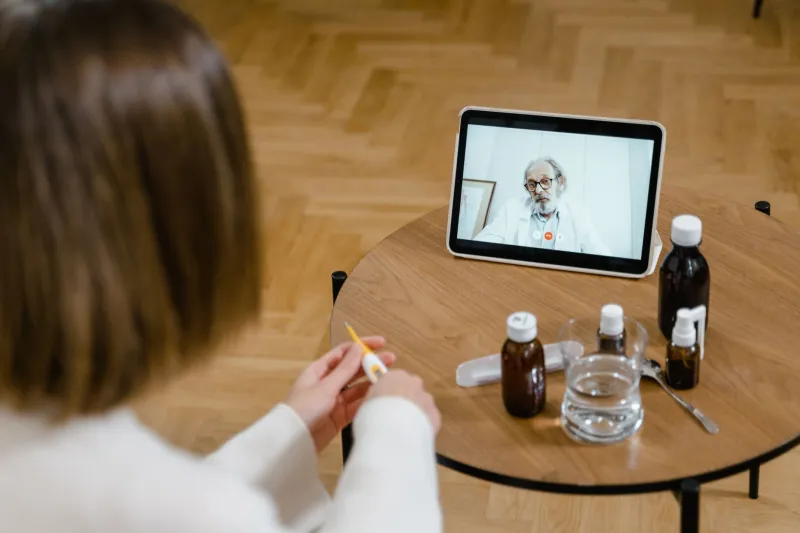
Since telehealth utilization surged during the COVID-19 pandemic, virtual healthcare appointments have become a permanent fixture of American medicine. The American Medical Association reported that more than one in five US physicians now provide telehealth services, and that number continues to rise. Insurance coverage has expanded. Platforms have improved. Patients have grown comfortable with the format.
But a persistent gap remains between what a telehealth visit can deliver and what it actually delivers for many patients. That gap is largely a supply problem.
When your physician asks for your blood pressure reading and you don't own a cuff, or requests your oxygen saturation and you're guessing, the consultation loses clinical value. The good news: equipping yourself for effective virtual care is neither complicated nor prohibitively expensive when you know what to prioritize.
Here is what every telehealth patient should have within arm's reach in 2024.
1. A Validated Blood Pressure Monitor
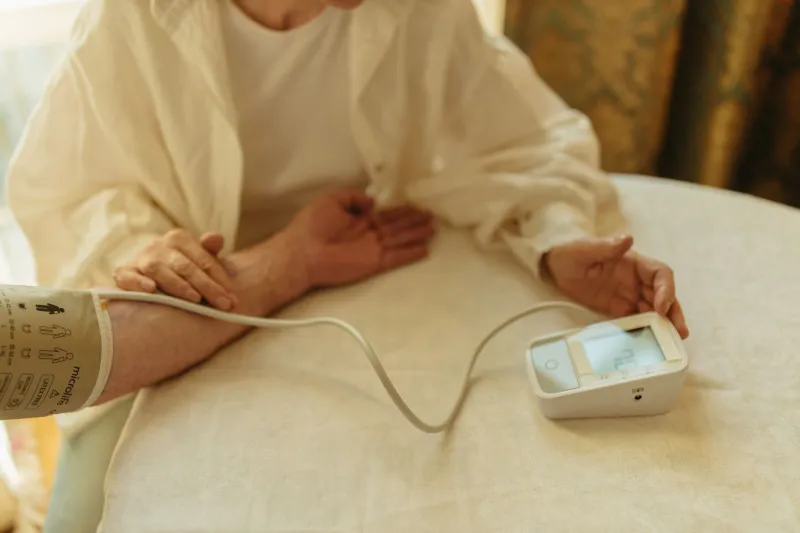
Hypertension affects nearly half of all American adults, according to the Centers for Disease Control and Prevention, making blood pressure monitoring the single most impactful capability a home patient can have.
Not all monitors are created equal. Look for an upper-arm cuff model — wrist monitors, while convenient, are substantially more sensitive to positioning errors and tend to produce less consistent readings. The American Heart Association recommends devices that have been independently validated through clinical studies; a list of validated monitors is maintained by organizations including the US Blood Pressure Validated Device Listing.
For telehealth purposes, a Bluetooth-enabled monitor that syncs readings to a companion smartphone app is worth the modest additional investment. Many major telehealth platforms can integrate directly with these apps, allowing your provider to review a trend of readings — far more clinically informative than a single number recited over video.
What to look for: Upper-arm design, clinically validated accuracy, irregular heartbeat detection, memory storage for at least 60 readings, and Bluetooth connectivity.
2. A Pulse Oximeter
Once found only in clinical settings, pulse oximeters became a familiar household item during the pandemic — and their utility extends well beyond respiratory illness monitoring. Patients managing heart conditions, asthma, COPD, anemia, or post-surgical recovery benefit significantly from the ability to report real-time oxygen saturation data during a virtual visit.
When selecting a pulse oximeter, prioritize devices that specify clinical-grade accuracy within ±2 percent of a laboratory co-oximeter. Be cautious of ultra-low-cost options, as accuracy disparities among consumer devices have been well-documented. A reliable fingertip unit from a reputable manufacturer remains one of the most cost-effective investments a telehealth patient can make.
What to look for: Clinical accuracy certification, clear SpO2 and pulse rate display, low-battery indicator, and a durable build suited for regular use.
3. A Digital Thermometer
Fever is among the most frequently discussed symptoms in telehealth encounters, yet a surprising number of households rely on outdated glass thermometers or none at all. A quality digital thermometer delivers accurate readings in seconds and eliminates the ambiguity that undermines symptom reporting.
For most adults, an oral digital thermometer is sufficient and highly accurate. Households with young children should consider an infrared temporal artery (forehead) thermometer, which provides rapid, no-contact readings and is significantly easier to use with an uncooperative toddler at 2 a.m.
Ear (tympanic) thermometers offer another solid option, though proper technique matters considerably for accuracy.
What to look for: Fast read time (under 10 seconds), fever alert indicator, memory recall for recent readings, and waterproof design for easy cleaning.
4. A Blood Glucose Monitor (For Applicable Patients)
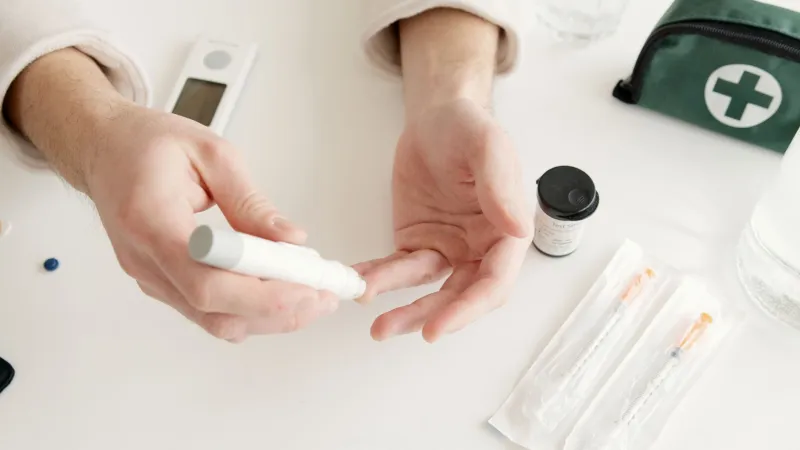
For the more than 37 million Americans living with diabetes, a reliable glucometer is non-negotiable — in-clinic or at home. During telehealth appointments, being able to report fasting glucose levels, post-meal readings, and recent trend data allows your endocrinologist or primary care provider to make meaningful medication and lifestyle adjustments without requiring an in-person visit.
Continuous glucose monitors (CGMs), now available to a broader population of patients through expanded insurance coverage, represent the gold standard for telehealth integration. Devices in this category transmit real-time glucose data to smartphone apps and, in many cases, can be shared directly with a provider's patient portal.
What to look for: Accuracy within FDA-required ±15 percent of laboratory values, app connectivity, adequate test strip availability, and compatibility with your insurance formulary.
5. A Digital Weight Scale
Weight fluctuation is a critical clinical indicator for patients managing heart failure, kidney disease, thyroid conditions, or obesity. Many telehealth protocols for these conditions include daily weight monitoring as a primary data point. A high-quality digital scale that measures to the nearest 0.2 pounds — and ideally syncs that data to a health app — gives your provider actionable information without requiring an office visit for something as simple as a weigh-in.
What to look for: High-precision measurement, app synchronization capability, and a weight capacity appropriate for the user.
6. Emerging Connected Devices Worth Considering
The frontier of home health monitoring is expanding rapidly. Depending on your specific health profile, the following devices may warrant a conversation with your provider:
- Smart spirometers: Measure lung function at home, particularly valuable for asthma and COPD patients.
- ECG monitors: Consumer-grade single-lead ECG devices, now cleared by the FDA, allow patients to capture and transmit cardiac rhythm strips during symptomatic episodes — a capability that was unimaginable in home care just a decade ago.
- Connected blood glucose patches: CGMs from manufacturers including Abbott and Dexcom represent an evolving standard of care for diabetes management.
- Digital otoscopes: Some telehealth platforms now support provider-guided ear exams using consumer otoscopes that attach to a smartphone.
Building Your Home Care Kit: A Practical Starting Point
You do not need every device on this list immediately. A sensible approach is to begin with the tools most relevant to your existing health conditions and your provider's specific requests. Discuss your telehealth setup with your physician — many will have recommendations tailored to your care plan.
When purchasing, prioritize quality over cost. The clinical value of your telehealth appointment depends directly on the reliability of the data you provide. Devices sourced from trusted medical supply retailers, with verifiable accuracy standards and proper regulatory clearances, are the foundation of effective remote care.
AristoMedCart offers a curated selection of home monitoring devices and telehealth-ready medical supplies, each chosen for clinical reliability and ease of use in a home environment. Because effective healthcare — wherever it happens — starts with the right tools.
Your virtual exam room is ready. Is yours?