FDA Medical Device Recalls Explained: A Step-by-Step Guide for Patients and Home Healthcare Users
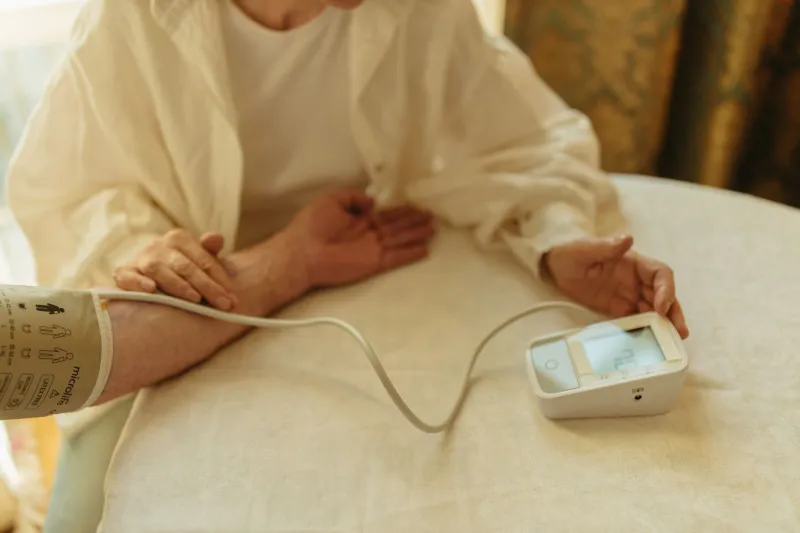
Imagine checking your email one morning and finding a notice from your medical equipment supplier informing you that the blood pressure monitor you use daily has been recalled. Or perhaps you read a news headline about a recall affecting a category of device you own, but you are not sure whether your specific model is involved. What do you do next?
For many patients — particularly those managing chronic conditions at home — medical device recalls generate a mixture of anxiety and uncertainty. The terminology can be technical. The instructions can be unclear. And the stakes, depending on the device in question, can be high. This guide is designed to cut through that confusion.
What a Recall Actually Means
The word "recall" carries strong connotations, but in the context of medical devices, it covers a wide spectrum of situations. The U.S. Food and Drug Administration (FDA) defines a recall as an action taken to address a problem with a medical product that violates FDA law. That problem might be a manufacturing defect, a labeling error, a software flaw, or evidence that a device is causing patient harm.
Critically, not all recalls are created equal. The FDA classifies recalls into three categories based on the level of risk involved:
- Class I: The most serious classification. These recalls involve situations in which use of the product is likely to cause serious adverse health consequences or death. Immediate action is required.
- Class II: Situations in which use of the product may cause temporary or medically reversible adverse health consequences, or where the probability of serious harm is remote.
- Class III: The least urgent classification. These recalls involve situations in which use of the product is unlikely to cause any adverse health consequences, but the product still violates FDA regulations.
Understanding which class applies to a recall affecting your device is the first step in determining how urgently you need to respond.
How to Find Out If Your Device Is Affected
The FDA maintains a publicly accessible database of medical device recalls at fda.gov. Navigating it is straightforward once you know what to look for. You will need the brand name of your device, the model number (usually found on a label affixed to the device or in its documentation), and ideally the lot number or serial number, which helps narrow down whether your specific unit falls within the affected production batch.
Here is a practical approach:
- Visit the FDA's MedWatch Safety Alerts page (fda.gov/safety/medwatch) for current safety alerts and recalls.
- Search the Medical Device Recall Database using your device's brand name or manufacturer.
- Cross-reference your device's model and lot number against the information listed in the recall notice.
- Contact your device's manufacturer directly if you are uncertain. Recall notices typically include a manufacturer contact number or email address for patient inquiries.
- Reach out to your prescribing physician or home health provider if you remain unsure about whether your specific device is implicated.
Your medical equipment supplier should also be a resource here. Reputable suppliers maintain awareness of active recalls affecting the products they carry and can assist customers in identifying whether their equipment is involved.
Landmark Recalls That Reshaped Patient Safety Standards
Some medical device recalls have had lasting effects on how the industry approaches safety and transparency. These cases are worth understanding because they illustrate the range of circumstances that can lead to a recall — and the real-world consequences when problems go unaddressed.
The recall of certain implantable defibrillators in the mid-2000s, affecting hundreds of thousands of devices, highlighted how software defects in life-sustaining equipment could create catastrophic risk. The affected devices could fail to deliver a shock when needed — a life-threatening malfunction in patients with serious cardiac conditions. The recall prompted significant changes in how the FDA oversees post-market surveillance of high-risk implantable devices.
More recently, the 2021 recall of certain CPAP and BiPAP machines manufactured by a major respiratory device company drew widespread attention. The recall involved concerns that foam used for sound abatement could degrade and release potentially harmful particles or gases into the breathing pathway. Millions of patients were affected. The recall underscored the importance of staying registered with device manufacturers so that safety communications reach patients directly.
For home healthcare users, these cases carry a clear lesson: the devices you rely on daily are subject to the same quality and safety scrutiny as hospital-grade equipment, and staying informed is part of responsible self-care.
What to Do When Your Device Is Recalled
If you confirm that your device is subject to an active recall, the appropriate response depends on the recall class and the nature of the problem. Here is a general framework:
For Class I recalls: Stop using the device immediately unless your physician advises otherwise based on your specific clinical situation. Contact your prescribing provider to discuss alternative options. Follow the manufacturer's instructions for returning or disposing of the affected device.
For Class II recalls: Read the recall notice carefully. Some Class II recalls involve a correction — a software update or a labeling change — rather than device removal. In other cases, discontinuing use may be recommended. Your physician and supplier can help you assess the appropriate course of action.
For Class III recalls: These typically involve minor regulatory violations and do not require immediate action. Monitor communications from the manufacturer and follow any corrective instructions provided.
In all cases, document your response. Keep records of when you received the recall notice, what steps you took, and any communications with your physician, supplier, or the manufacturer. This documentation can be valuable if questions arise later about your care continuity.
Staying Ahead of Future Recalls
The most effective approach to medical device recalls is proactive awareness rather than reactive scrambling. Several habits can help you stay informed:
- Register your devices. When you receive a new medical device, complete the manufacturer's product registration. This ensures you are on their mailing list for safety communications.
- Subscribe to FDA safety alerts. The FDA offers a free email subscription service through MedWatch that delivers safety alerts directly to your inbox.
- Maintain an up-to-date device inventory. Keep a simple record of the medical devices you use at home, including brand, model, and serial number. This makes it far easier to respond quickly when a recall is announced.
- Work with a knowledgeable supplier. A supplier that prioritizes patient safety will proactively communicate recall information to its customers and assist with replacement procurement when needed.
Recalls as a Sign of a Functioning Safety System
It is worth reframing how we think about medical device recalls. While the word itself can feel alarming, recalls are, in many respects, evidence that the safety oversight system is working. They represent the FDA and manufacturers identifying problems and taking corrective action — often before serious harm occurs at scale.
The patients most at risk are not those who receive recall notices. They are the patients who never learn that their device has been flagged, because they are not registered with the manufacturer, not monitoring safety alerts, and not working with a supplier who keeps them informed. Staying connected to reliable information sources is, ultimately, one of the most meaningful steps any home healthcare user can take to protect their own wellbeing.