Decoding Your Coverage: A Plain-Language Guide to Insurance Reimbursement for Home Medical Equipment

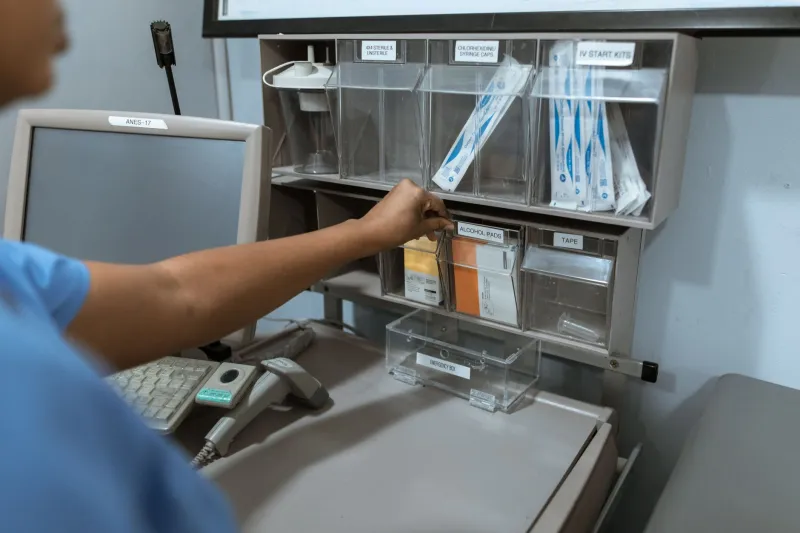
Photo by Photo by Vlad Deep on Unsplash on Unsplash
For millions of Americans managing chronic conditions, recovering from surgery, or supporting a family member with long-term care needs, home medical equipment (HME) is not optional — it is essential. Yet the process of obtaining reimbursement for that equipment through health insurance is, for many patients, a source of persistent frustration and financial surprise. Coverage rules differ not just between insurance carriers but between states, between plan types within the same carrier, and sometimes between the same plan in different years.
This guide is designed to cut through that complexity. Whether you are covered by Medicare, Medicaid, a commercial employer-sponsored plan, or a marketplace policy purchased through Healthcare.gov, understanding the fundamental structure of HME reimbursement will help you enter the process with realistic expectations — and a clear strategy.
What Counts as Home Medical Equipment?
Before addressing coverage specifics, it is worth establishing what the insurance industry actually means by "durable medical equipment" (DME), which is the formal classification most insurers use when processing HME claims.
To qualify as DME under federal Medicare guidelines — standards that many commercial insurers mirror — a product must be durable (able to withstand repeated use), primarily medical in nature, appropriate for use in a home setting, and prescribed for a medical purpose. Common examples include:
- Wheelchairs and mobility aids
- Hospital beds and patient lifts
- Continuous positive airway pressure (CPAP) machines
- Nebulizers and home oxygen equipment
- Blood glucose monitors and related supplies
- Wound care supplies for patients with qualifying diagnoses
- Orthotic devices and prosthetics
Items that are primarily for comfort or convenience — even if medically adjacent — typically do not qualify for reimbursement. The distinction between medically necessary and merely helpful is one of the most consequential determinations in the claims process.
Medicare Coverage: The Federal Baseline
For patients 65 and older, or those under 65 with qualifying disabilities, Medicare Part B covers most DME at 80 percent of the Medicare-approved amount after the annual deductible is met. The patient is responsible for the remaining 20 percent, which may be covered by a supplemental Medigap policy if one is in place.
Critically, Medicare requires that DME be purchased or rented from a Medicare-enrolled supplier. Purchasing equipment from a supplier that is not enrolled in Medicare — even if the equipment itself would otherwise qualify — will result in a denied claim. Patients should always verify supplier enrollment status before completing a purchase.
Medicare Advantage plans (Part C) cover DME as well, but the specific rules, networks, and prior authorization requirements vary by plan. A patient enrolled in a Medicare Advantage plan in Florida may face very different processes than a patient on the same plan's equivalent product in Minnesota. Reviewing the plan's Evidence of Coverage document annually is the most reliable way to understand current DME benefits.
Medicaid: Where State Variation Is Most Pronounced
Medicaid presents the most significant state-to-state variation in HME coverage. Because Medicaid is jointly funded by federal and state governments, each state administers its own program within federal guidelines — and those guidelines leave considerable discretion at the state level.
For example, California's Medi-Cal program covers a relatively broad range of DME categories and includes specific provisions for pediatric patients that exceed federal minimums. Texas Medicaid, by contrast, applies more restrictive coverage criteria for certain categories, particularly for complex rehabilitation equipment. New York's program includes robust coverage for home oxygen and respiratory equipment but requires prior authorization for many mobility devices.
Patients navigating Medicaid coverage for home medical supplies should contact their state's Medicaid agency directly or work with a certified benefits counselor to understand the specific parameters of their state's program. State Medicaid websites also publish fee schedules and coverage policies that, while technical, can help patients understand what documentation will be required to support a claim.
Commercial Insurance: Reading the Fine Print
For patients covered by employer-sponsored plans or marketplace policies, DME coverage is present in most plans but structured with significant variation in cost-sharing, prior authorization requirements, and network restrictions.
Under the Affordable Care Act, marketplace plans sold on Healthcare.gov are required to cover DME as part of the essential health benefits package. However, the specific items covered, the cost-sharing structure, and the documentation requirements are determined by the plan's individual benefit design. A Bronze plan and a Gold plan from the same insurer may cover the same DME categories but impose very different deductibles and coinsurance rates.
Key questions to ask your insurer before purchasing home medical equipment:
- Is prior authorization required? Many plans require pre-approval for DME above a certain cost threshold. Purchasing before authorization is granted may result in partial or full denial.
- Is the supplier in-network? Out-of-network suppliers may be covered at a lower rate or not at all.
- What documentation is required? Most plans require a physician's prescription and a letter of medical necessity. Some require supporting clinical notes.
- Is the item subject to a rental-versus-purchase determination? Insurers sometimes require equipment to be rented initially, with purchase authorization contingent on demonstrated medical need over time.
Documentation: The Foundation of a Successful Claim
Regardless of payer type, thorough documentation is the single most important factor in claim approval. A claim for a CPAP machine, for instance, will typically require a physician's order, a sleep study report confirming an obstructive sleep apnea diagnosis, and often a face-to-face evaluation note from the prescribing provider.
Patients should request copies of all supporting documentation before submitting a claim and retain those copies for their records. If a claim is denied, the documentation package will form the basis of the appeal — and appeals succeed far more often when patients can demonstrate that all required materials were present at the time of the original submission.
Common documentation pitfalls that lead to avoidable denials:
- Prescriptions that are expired or do not include the required specificity (e.g., specifying type and frequency of use)
- Letters of medical necessity that are generic rather than tied to the patient's specific diagnosis and functional limitations
- Missing physician signatures or dates
- Failure to include the correct HCPCS (Healthcare Common Procedure Coding System) code for the item being claimed
Practical Steps to Maximize Your Benefits
Armed with a clearer understanding of the reimbursement landscape, patients can take several concrete steps to improve their outcomes:
- Verify coverage before you order. Contact your insurer's DME department directly — not the general customer service line — and request a coverage determination for the specific item and HCPCS code.
- Work with your prescribing physician proactively. Ask them to document the medical necessity of the equipment explicitly in their notes, using language that aligns with your insurer's coverage criteria.
- Appeal denials promptly. Most insurers have a formal appeals process, and patients have a legal right to an independent external review if the internal appeal is unsuccessful. Many initially denied claims are overturned on appeal.
- Understand your out-of-pocket maximum. If you are managing significant ongoing DME costs, tracking your progress toward your plan's out-of-pocket maximum can help you time larger purchases strategically.
- Ask about supplier billing support. Many reputable medical supply providers, including those operating through platforms like AristoMedCart, can assist patients with the documentation and coding requirements that support successful reimbursement submissions.
A Note on Staying Current
Insurance coverage policies for home medical equipment are not static. Coverage criteria, prior authorization requirements, and approved supplier lists change with plan year renewals, state legislative sessions, and federal regulatory updates. Reviewing your plan's DME benefits at the start of each calendar year — before you need equipment — is a practice that can prevent costly surprises and ensure that your care planning is grounded in accurate information.
The reimbursement process for home medical equipment is genuinely complex, but it is navigable. With the right documentation, the right questions, and a supply partner who understands the landscape, patients across the United States can access the equipment they need without unnecessary financial burden.